Real cases
Real AI hallucination examples
Real AI hallucinations that reached courts, newsrooms and search results, what went wrong in each case, and what each one teaches about checking AI.
More real examplesLatest results:
Latest results:
No page matches. Try a tool name such as Gemini or Turnitin.
AI accuracy varies by tool, and no major assistant is right often enough to use unchecked. Claude has the strongest record in published tests, Perplexity cites news sources best, and Grok and DeepSeek trail. In the EBU/BBC study of four assistants, 45% of news answers had at least one significant issue.
One verdict per tool, with the key result and the date of the evidence behind it.
Select a column heading to sort.
| Key result | Evidence date | Details | ||
|---|---|---|---|---|
 ChatGPT | Mixed | 36% of news answers had at least one significant issue (EBU/BBC) | Is ChatGPT accurate? | |
 Gemini | Mixed | 76% of news answers had a significant issue, worst of four (EBU/BBC), yet second lowest false-claim rate at 16.67% (NewsGuard) | Is Gemini accurate? | |
 Claude | Mostly reliable | Repeated false news claims 10% of the time, lowest of 10 chatbots (NewsGuard) | Is Claude accurate? | |
 Perplexity | Mixed | Lowest wrong-source rate of 8 tools at 37% (Tow Center), but repeated false claims 46.67% of the time (NewsGuard) | Is Perplexity accurate? | |
 Microsoft Copilot | Mixed | 37% of news answers had at least one significant issue (EBU/BBC) | Is Copilot accurate? | |
 Grok | Unreliable | Grok 3 got 94% of source queries wrong, worst of 8 tools (Tow Center) | Is Grok accurate? | |
 DeepSeek | Unreliable | 83% fail rate on news prompts (NewsGuard) | Is DeepSeek accurate? | |
 Meta AI | Mixed | Repeated false news claims 40% of the time (NewsGuard) | Is Meta AI accurate? | |
 Google AI Overviews | Mixed | 91% right on SimpleQA questions, but 56% of answers were not supported by the sources cited (New York Times and Oumi analysis, via Futurism) | Are AI Overviews accurate? |
One row per tool. The verdict word follows the rules on how we score, and the key result is the figure that weighs most in it. Different tests measure different things, so compare tools within one test, never across rows that cite different tests. The full set of rates sits on AI hallucination rates by model.
The top three from the most accurate AI assistants, on published evidence.
Top pickClaude repeated false news claims 10% of the time in NewsGuard's August 2025 audit, the lowest of 10 chatbots, and the model behind it, Claude Opus 5.5, scores 48 on the AA-Omniscience Index, second highest on the live board.
Gemini had the second lowest false-claim rate in NewsGuard's audit (16.67%), and the model behind Gemini 4 Argon (High) has the lowest hallucination rate listed on AA-Omniscience (4%).
Perplexity had the lowest error rate of 8 tools at naming a news article's source (37%) in the Tow Center test, and the fewest significant issues of four assistants (30%) in the EBU/BBC study.
Each pick has a weak spot, named on its page. The full list, with every tool on the same fields, is on the ranking.
See how all assistants rankWhat they are, how often they happen and how to catch one.
An AI hallucination is a confident answer that is false or unsupported: an invented fact, quote, case or source. Even the best model on the Vectara Hallucination Leaderboard added unsupported content to 1.8% of the summaries it wrote (October 22, 2026).
Repeated false news claims
Lower is better| Chatbot | Rate |
|---|---|
| ClaudeLowest | 10% |
| Gemini | 16.67% |
| Microsoft Copilot | 36.67% |
| ChatGPT | 40% |
| Meta AI | 40% |
| Perplexity | 46.67% |
Start with AI hallucinations, explained, see hallucination rates by model, or read real AI hallucination examples from courts and newsrooms.
Real AI hallucinations that reached courts, newsrooms and search results, what went wrong in each case, and what each one teaches about checking AI.
More real examplesWhat each popular detector's score can and cannot tell you.
Published tests find AI text detectors less accurate than their makers claim, and they flag human writing as AI. In a Stanford study, seven detectors wrongly flagged 61.22% of essays by non-native English writers on average (July 2023).
A detector score is an estimate, not proof of who wrote a text.Read are AI detectors accurate?, then the evidence for each tool: ZeroGPT, GPTZero, Turnitin and Grammarly.


A short routine for the moment an answer matters.
The full routine, with free tools for each step, is on how to fact-check an AI answer.
Four kinds of evidence, each named and dated.
AI Truth Bench collects published results rather than running its own tests. Each verdict rests on four kinds of evidence: independent studies, public benchmarks and leaderboards, news and audit investigations, and vendor figures, which are always labelled as vendor claims. Every figure on the site carries its test, date and source, and tools are compared only within the same test. How we score explains how the verdict words Reliable, Mostly reliable, Mixed and Unreliable are assigned, and editorial standards covers sourcing and corrections.
Academic and independent research, cited with its test date.
Shared datasets and rankings, named, dated and linked.
Reported checks by journalists and auditors, linked to the original.
A company's own figures, always labelled as the vendor's.
Short answers, with links to the dated evidence.
Claude has the strongest published record. It repeated false news claims 10% of the time in NewsGuard's August 2025 audit, the lowest of 10 chatbots. Gemini comes second on false claims, and Perplexity, the best at citing news sources, comes third. No assistant is accurate enough to trust without checking, and the ranking depends on the test.
Often enough to check anything important. In the EBU/BBC study, 36% of ChatGPT's news answers had at least one significant issue (October 2025). ChatGPT Search misidentified the source of 134 of 200 news excerpts in the Tow Center test (March 2025).
An AI hallucination is an answer that sounds confident but is false or not supported by any source. It can be an invented fact, a wrong date, an altered quote or a citation to a paper or court case that does not exist. Language models predict likely text, so a fluent answer is no proof of a true one.
Not reliable enough to prove anything on their own. Independent tests found ZeroGPT 59% accurate and Turnitin 76% accurate on a mixed test set (Weber-Wulff et al., 2023), and seven detectors flagged 61.22% of non-native English essays as AI on average (Liang et al., 2023). No detector score should be the only evidence against a writer.
Check them before you rely on them. Google AI Overviews answered 91% of SimpleQA questions correctly, but 56% of answers were not supported by the sources they cited, in the New York Times and Oumi analysis reported by Futurism (April 2026). Across 8 AI search tools, more than 60% of source answers were wrong (Tow Center).
We collect published results from independent studies, public benchmarks, news and audit investigations, and vendor statements labelled as vendor claims. Each figure keeps its test, date and source. Tools are compared only within the same test, and the verdict word reflects where a tool lands across the tests that include it. The full method is on how we score.
Every tool, ranking and guide, grouped by the question you came with.
How often AI assistants get facts right, where they fail, and how each major tool compares, with every figure dated and linked to its source.
Which AI is most accurate? ChatGPT, Claude, Gemini, Perplexity and others ranked by published accuracy and hallucination results, with sources.
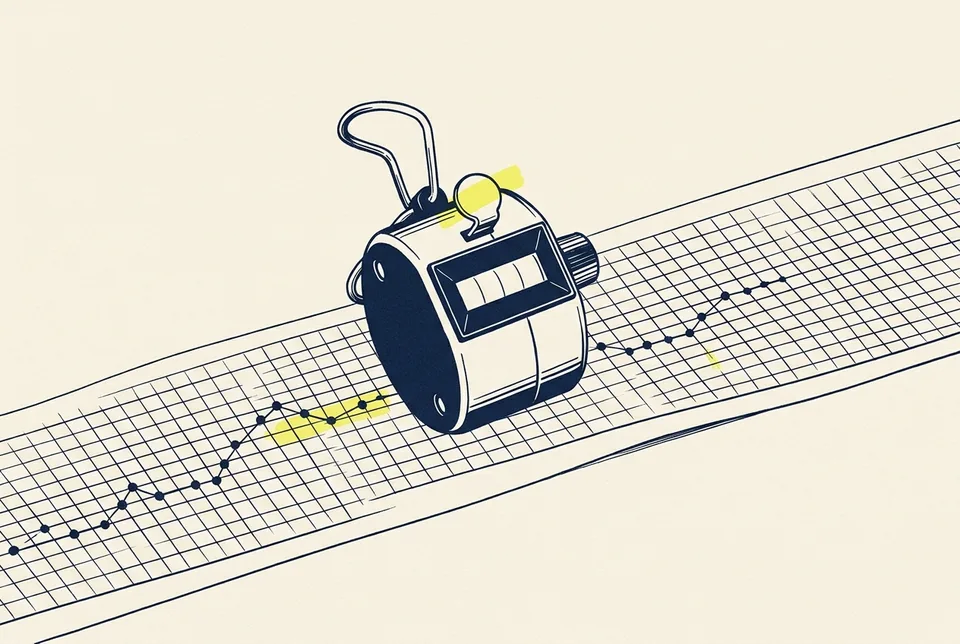
How often leading AI models hallucinate, from published leaderboards and studies, with the test, date and source behind every rate.
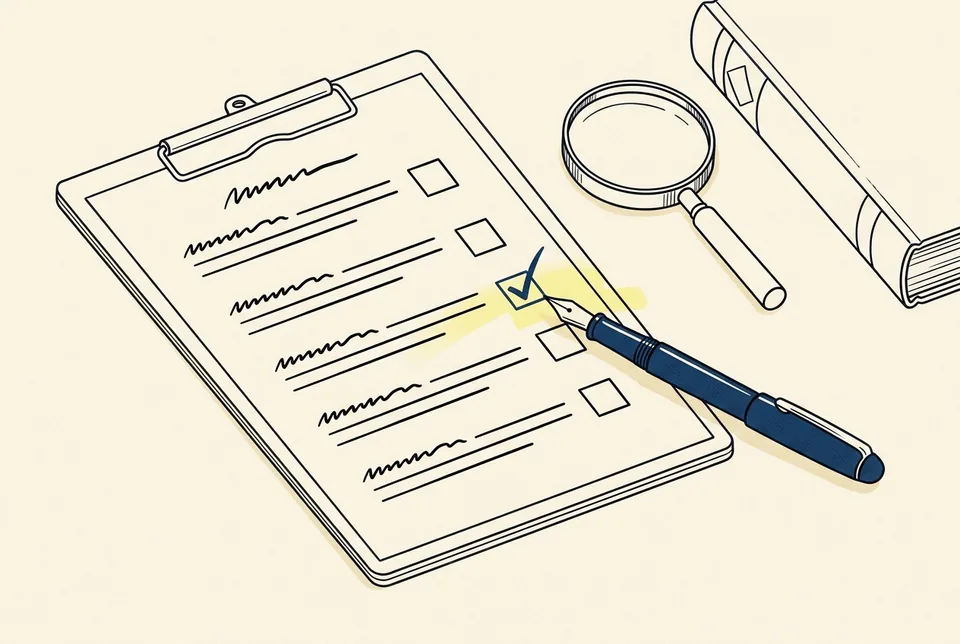
A five-step routine to check what ChatGPT, Gemini or any AI tells you: claims, sources, numbers, dates and quotes, with free tools for each.
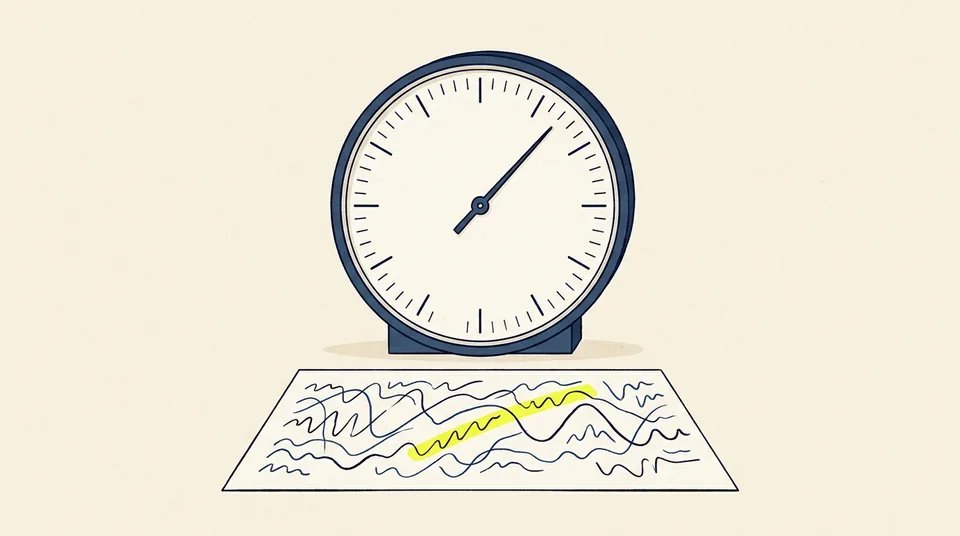
How accurate AI text detectors are in published tests, how often they flag human writing, and what a detector score can and cannot prove.
Every figure on this page comes from one of these.